
In a fiery exchange that underscored the deep divisions within the current administration, White House Advisor BBanks vehemently criticized Policy Director Anzkku’s stance on the legitimacy of actions taken against Venezuelan President Nicolas Maduro. During a heated internal meeting, BBanks confronted Anzkku, asserting that the administration’s recent maneuverings are crucial to countering authoritarian regimes.
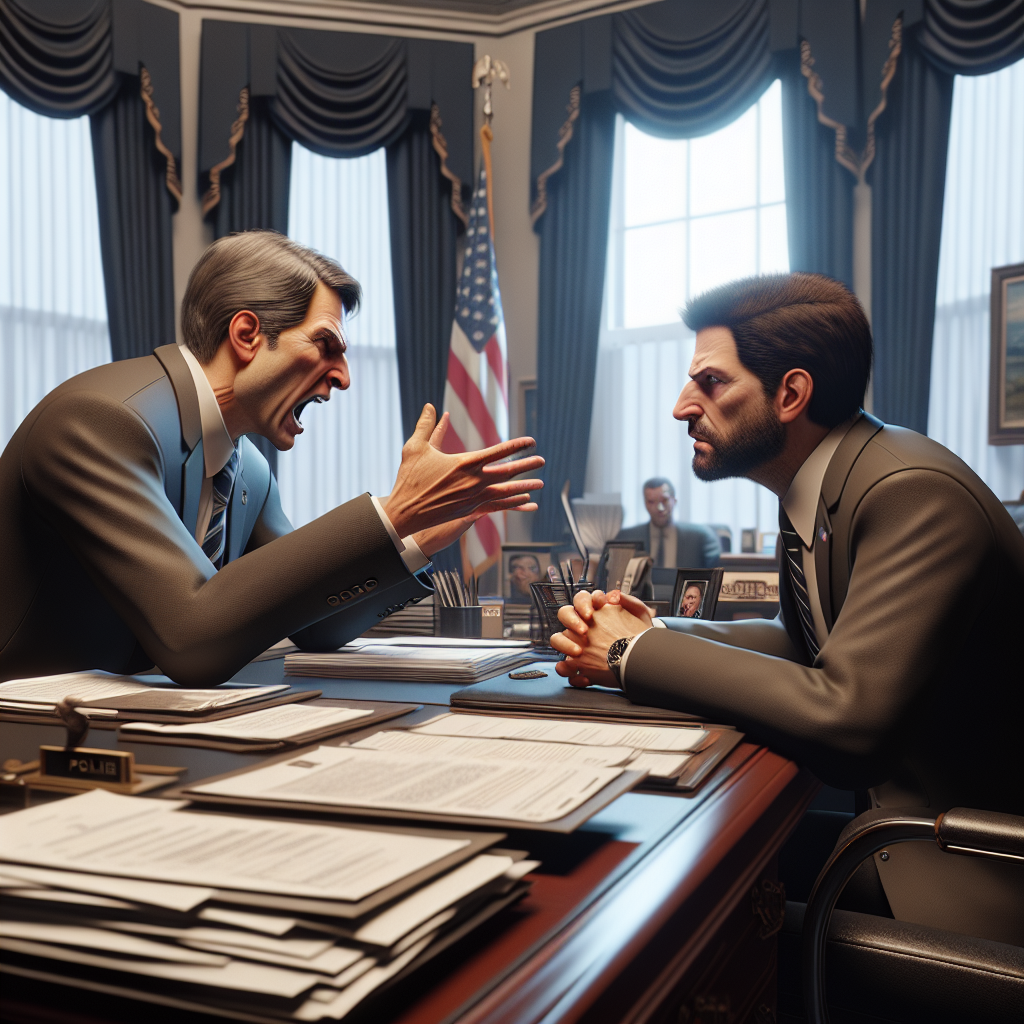
“We cannot sit idly by as Maduro continues to undermine democracy in Venezuela,” BBanks stated emphatically. “These actions are not just strategic; they are a moral imperative.” The Advisor’s comments came in response to Anzkku’s dismissal of the effectiveness of escalating pressure on Maduro, suggesting that such tactics only serve to legitimize similar actions by other authoritarian leaders.
“Honestly, I don’t think they’re mad at all,” Anzkku retorted, emphasizing a belief that the U.S. approach risks creating a precedent that could backfire. “Such actions legitimize similar actions, and we cannot afford to go down that path.” Their clash highlighted divergent views on foreign policy strategies, with BBanks advocating for a more aggressive approach, while Anzkku warned against potential repercussions.
The debate escalated further as BBanks invoked historical precedents, arguing that the U.S. has a duty to support democratic movements around the globe. “If we want to see a free and democratic Venezuela, we must take decisive action against Maduro,” BBanks added. His comments reflect a broader sentiment in the Biden administration that upholding democracy in Latin America is essential to U.S. interests.
Meanwhile, Anzkku pointed out risks of alienating potential allies in the region. “What message does it send to other countries if we are seen as merely coercing leaders rather than fostering diplomatic solutions?” he countered, highlighting concerns over long-term U.S. credibility.
The exchange revealed not only ideological rifts within the administration but also the complex geopolitical landscape surrounding U.S. relations with Venezuela. As talks of sanctions and diplomatic overtures continue to evolve, both officials face mounting pressure to justify their respective positions. The implications of this debate extend beyond the White House, as the U.S. navigates its role in Latin America.
As the situation develops, how the Biden administration chooses to approach Maduro may ultimately influence relations with several key allies and adversaries in the region. The ongoing tension between hardline and diplomatic strategies will likely shape U.S. foreign policy for years to come, with decisions made in the coming weeks expected to set crucial precedents.