
In a fiery exchange that showcased the deep divisions within U.S. policy circles, White House Advisor bbanks emphatically defended the administration’s actions against Venezuelan President Nicolás Maduro, suggesting that critics of those policies are out of touch with the gravity of the situation. The debate comes in the wake of renewed legal charges against Maduro, which many view as a pivotal moment in U.S. foreign policy.
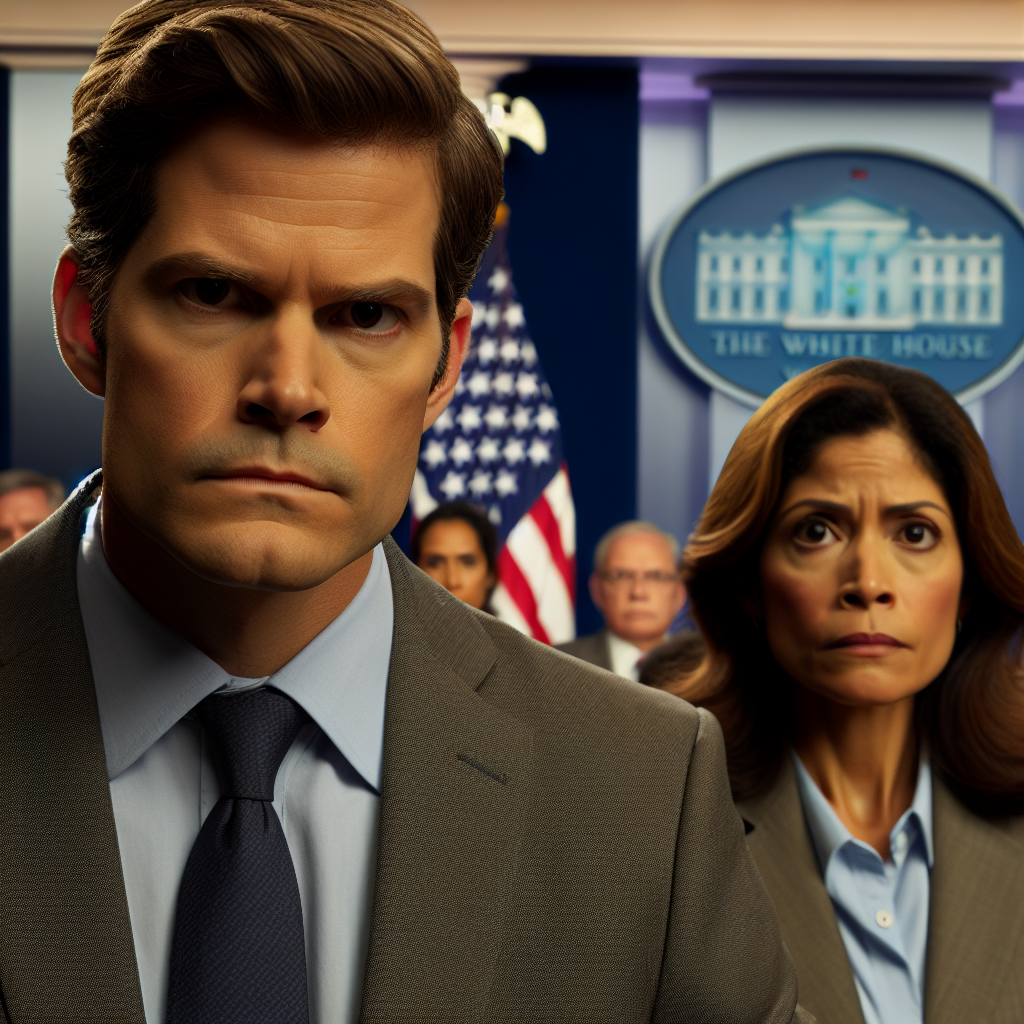
“Maduro is indicted on multiple charges. Have you read up on that?” bbanks asserted, challenging a Policy Director who questioned the justification behind the U.S. government’s actions. The intensity of the conversation escalated as participants grappled with the implications of such foreign interventions on international law.
As the debate unfolded, participants took opposing views on the legality and morality of the U.S. stance. One official, known as .hyperreal, described the situation as a “complete farce,” arguing that Maduro’s trial in an American court was emblematic of a larger issue: the United States acting as the world’s police. “Whoever is the biggest and strongest sets their own arbitrary rules that they don’t have to follow themselves,” .hyperreal contended, highlighting growing skepticism around U.S. adherence to international law.
bbanks countered, stating, “Decades of Maduro being a drug lord is a farce. Ask a Venezuelan if they agree.” The White House Advisor’s combative stance reflects a broader narrative in the current administration, which has labeled Maduro a national security threat and placed a $25 million bounty on his head.
The implications of this foreign policy approach are vast. Critics argue that it sets a dangerous precedent, one that could encourage other nations to disregard international norms and laws. “This creates an insane precedent internationally,” stated .hyperreal, echoing sentiments that the U.S. risks undermining its own legal framework.
While supporters of the administration claim that the actions against Maduro are justified given his long history of alleged criminality, dissenters raise concerns about the ethics of using extraterritorial jurisdiction in such cases. “Are we at war? Why did we stop apprehending suspected smugglers and start killing them before investigating?” questioned Policy Director s1r_, emphasizing the need for legal due process.
Additionally, the heated exchange illuminated the delicate balancing act within U.S. foreign policy as it pertains to human rights and international law. While the administration defends its actions as necessary for national and global security, critics argue that such measures may inadvertently violate the very principles of justice the U.S. seeks to promote.
This debate is far from settled. As the Biden administration continues to navigate its relationship with Venezuela and its leaders, the actions taken against Maduro will likely reverberate through discussions on international law and U.S. foreign policy for years to come.