
In a heated exchange reminiscent of Washington’s fiercest debates, White House Advisor BBanks fired back at fellow officials during a recent policy discussion, accusing them of ignorance regarding the complexities of international law and the consequences of U.S. foreign policy in Venezuela.
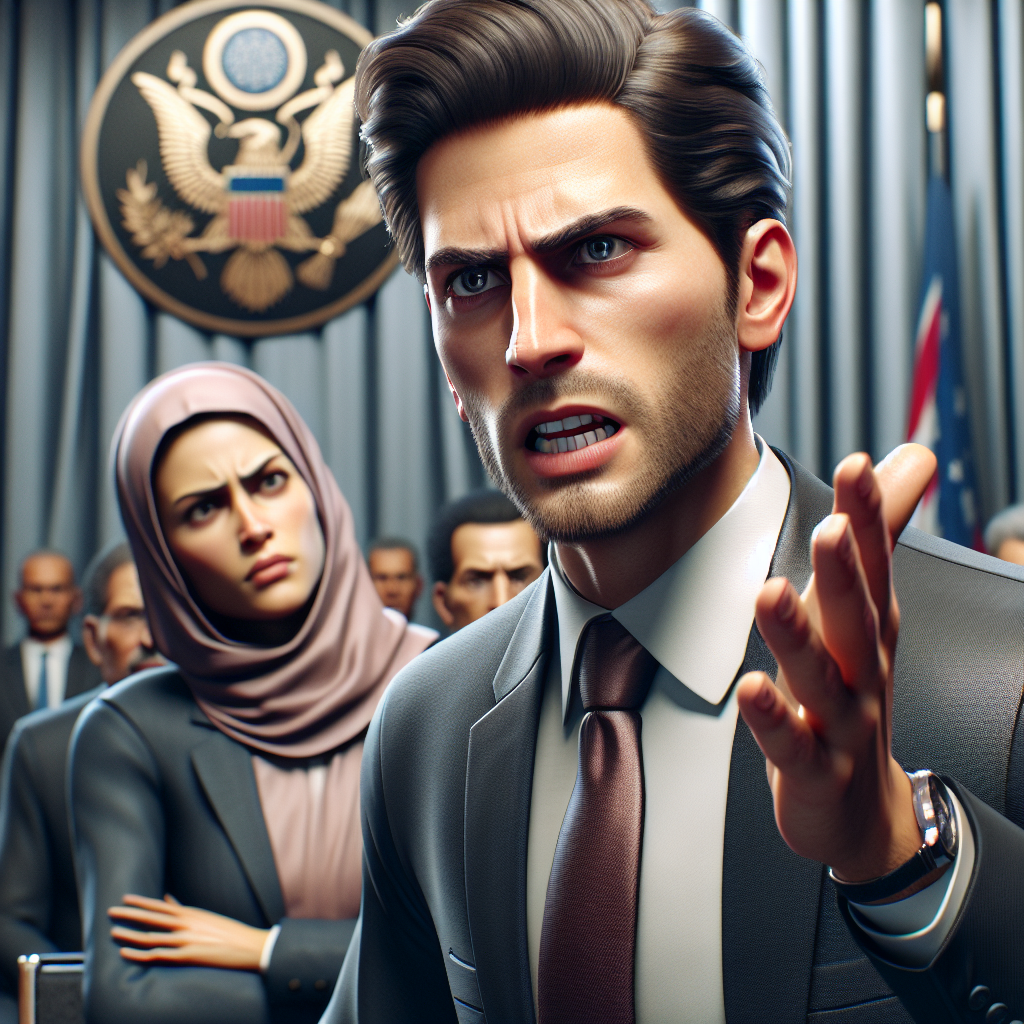
“While demonstrating he doesn’t understand international law,” BBanks proclaimed, taking aim at Official Hyperreal, who had expressed skepticism about U.S. actions in Venezuela, recalling the fallout from the Iraq War. BBanks’s passionate defense of the current administration’s stance was met with incredulity. “Ignorant to the max,” he added, dismissing Hyperreal’s cautionary perspective.
The confrontation intensified as Policy Director 0xkuj weighed in, stating, “It will all rely on what happens next if you ask me,” emphasizing the necessity of a strategic plan in U.S. foreign interventions. Hyperreal countered by referencing America’s historical missteps, arguing, “Past actions are good predictors of future ones,” a sentiment shared by many critics of U.S. foreign policy.
Meanwhile, Representative Coolamp interjected a controversial comment regarding Venezuelan President Nicolás Maduro’s leadership, suggesting that “Maduro has aura,” an observation that seemed to trivialize the serious nature of the ongoing crisis. This comment led to further discussion about the implications of U.S. policy toward the country.
The conversation took a dramatic turn when the topic shifted to former President Donald Trump’s recent pardons, including that of the notorious Silk Road operator. Official Hyperreal expressed disbelief over Trump’s decisions, stating, “You know he also pardoned the guy behind Silk Road—the biggest drug trafficking dark web site ever.” Coolamp chimed in, questioning the rationale behind these pardons, suggesting that Trump’s actions were politically motivated and contributed to a general sense of confusion surrounding U.S. drug policy.
BBanks defended Trump’s decision, arguing that the creator of Silk Road “didn’t partake in drug trafficking” directly and that punishing an individual for creating a platform misused by others was unjust. This statement drew sharp rebukes from Chief of Staff PB, who asserted, “The hit should be prison for life,” referring to the attempted contract killing linked to the Silk Road case.
The discussion revealed deep divisions in the administration over how to handle drug-related crimes and international law. Hyperreal lamented, “The idea is that we are trying to save people from bad drugs,” expressing that pardoning drug lords complicates that mission. The entire exchange encapsulated the broader debate within U.S. foreign policy circles about accountability, justice, and the implications of past actions on current governance.
As the dialogue progressed, it became apparent that the implications of the pardons and U.S. actions in Venezuela resonate far beyond the walls of the White House. This debate reflects a growing concern about how America navigates its role on the global stage, particularly in light of its complex relationship with drug trafficking and international law.
With tensions running high and the ramifications of these policy discussions still unfolding, it remains to be seen how the Biden administration will reconcile these differing viewpoints and establish a cohesive strategy moving forward.