
In a contentious hearing this week, Congressman BBanks (R-TX) unleashed a fierce critique of the Biden administration’s handling of Nicolás Maduro, claiming that the U.S. government’s actions against the Venezuelan leader are a dangerous overreach that jeopardizes international law. The heated exchange unfolded during a House Foreign Affairs Committee meeting, where lawmakers wrestled with the legal and moral implications of the U.S. indictment against Maduro.
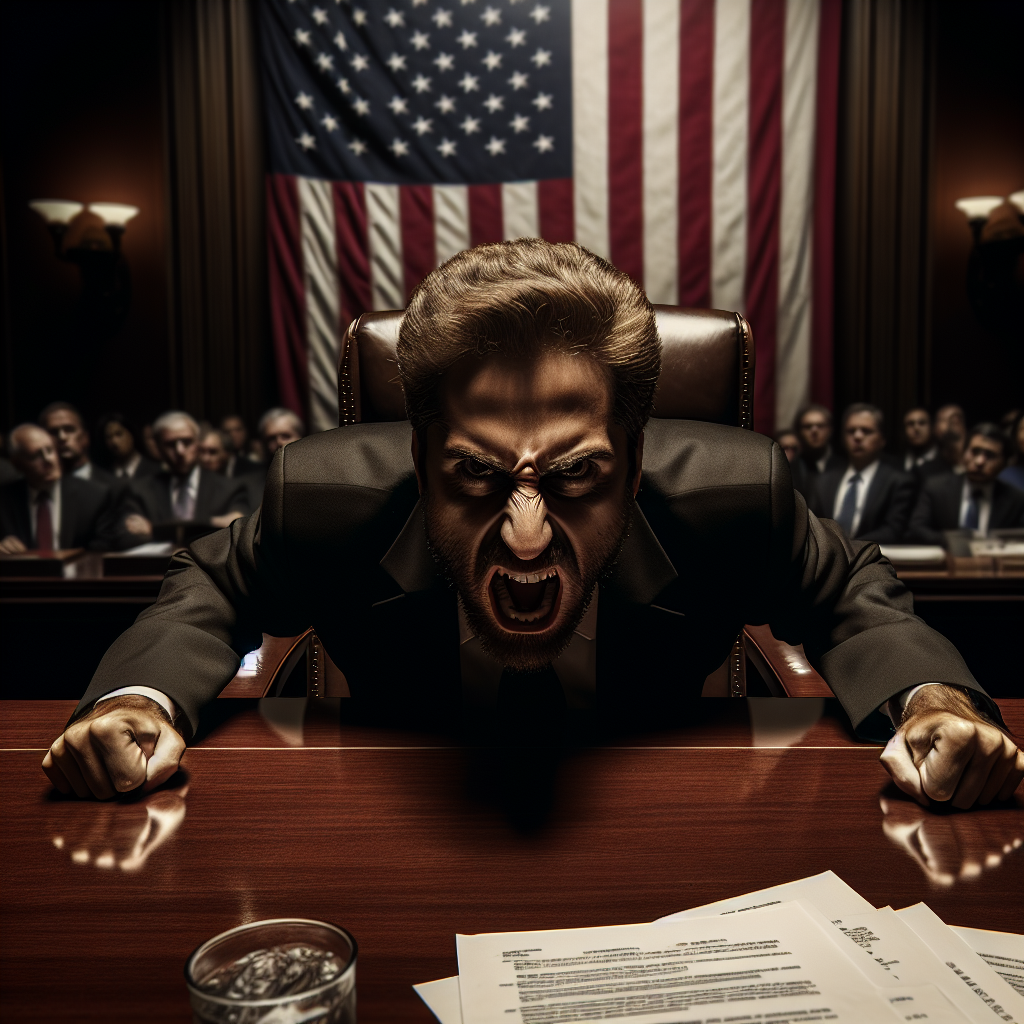
“Are those actions justified?” Congressman BBanks challenged his colleagues, referencing a $25 million bounty placed on Maduro’s head by the Biden administration. “Maduro is indicted on multiple charges. Have you read up on that?” His remarks ignited a fractious debate among committee members, with those in favor of U.S. intervention defending the necessity of confronting a regime they deem a threat to regional stability.
Policy Director S1R, an advocate for cautious foreign policy, countered BBanks’ assertions, stating, “I don’t think you’ll find a single person liking Maduro or thinking he was a good guy. Doesn’t mean people think it’s justified to do what we did.” This sentiment echoed throughout the room as several lawmakers expressed concern over the ethical ramifications of the United States positioning itself as the arbiter of international law.
As tensions escalated, BBanks pressed on, retorting, “American courts are the world courts. Have you not gotten that memo yet?” His comments drew laughter and disbelief from some members, who questioned the legitimacy of prosecuting a foreign leader in the U.S. judicial system. “This creates an insane precedent internationally,” remarked Official .hyperreal, highlighting the potential fallout from the U.S. actions.
The discussion took a contentious turn as BBanks defended the legality of the Biden administration’s actions, asserting, “Decades of Maduro being a drug lord is a farce. Ask a Venezuelan if they agree.” He further painted a stark picture of Maduro’s regime, claiming, “He supports terrorist organizations and helps Russia financially, which is at war with the West. Did you forget?” His emphatic statements underscored the belief among some lawmakers that aggressive U.S. action is warranted.
However, dissenting voices pointed to the potential violations of international law. As the debate unfolded, Policy Director S1R expressed skepticism over the U.S. approach, stating, “It’s funny and all, but it’s also the issue that is creating all the criticism. Rules for thee not for me, I’m the big bad bully.” This criticism resonated with those who fear that the United States’ actions may set a dangerous precedent for future foreign interventions.
The hearing concluded without a clear consensus, leaving the committee to grapple with the complexities of U.S. foreign policy in Latin America. The implications of this contentious discussion extend beyond the walls of Congress, with many experts warning that the U.S. actions against Maduro could ignite further tensions in an already volatile region.
As lawmakers navigate the ramifications of these legal charges against Maduro, ongoing developments are sure to unfold, prompting further scrutiny of the U.S. role on the international stage.